When 1 year old whippet Zucchini presented for lethargy and a reduced appetite, Dr. Scout inquired about the patient’s recent diet. As a known scavenger, the list was quite long: dry biscuits, Christmas ham, a prawn that had fallen from the table, Prime100 roll, and unfortunately, a deceased bat. The bat had thankfully only been chewed on.
Bats in Australia are potential carriers of ABLV. Australian Bat Lyssavirus is a viral disease, closely related to rabies. It is incredibly rare, and although all bat species in Australia can contract it, less than 1% of bats are found to be affected; only 431 have recorded infection in Australia’s history (as of June 2025). However, once contracted, it is incurable, and almost always fatal. In the case that a dog or cat contracts ABLV (which can only be transmitted through a bite or scratch), it could be passed on to its owners, as this disease is zoonotic; meaning, it can be passed from animals to humans. There have only ever been four reported cases of ABLV in humans, but because of the risk, it is considered a notifiable infectious disease by the Victorian Government. Dr. Scout jumped into action, contacting DEECA, the Department of Energy, Environment and Climate Action, to report this occurrence, and get advice on how to proceed.
Typically, the bat in question would be tested for ABLV, in the unlikely event that the bat had the disease. This wasn’t an option in this case, as the bat had been disposed of. So, the next option was vaccinating Zucchini; a course of the inactivated rabies vaccination, to mitigate the risks of clinical infection. This involved giving Zucchini two vaccines, one week apart, then taking a blood serum sample to be tested externally. This was a new experience for the Brunswick Central Vet Clinic, but we’re now prepared for the process if it ever occurs to another patient.
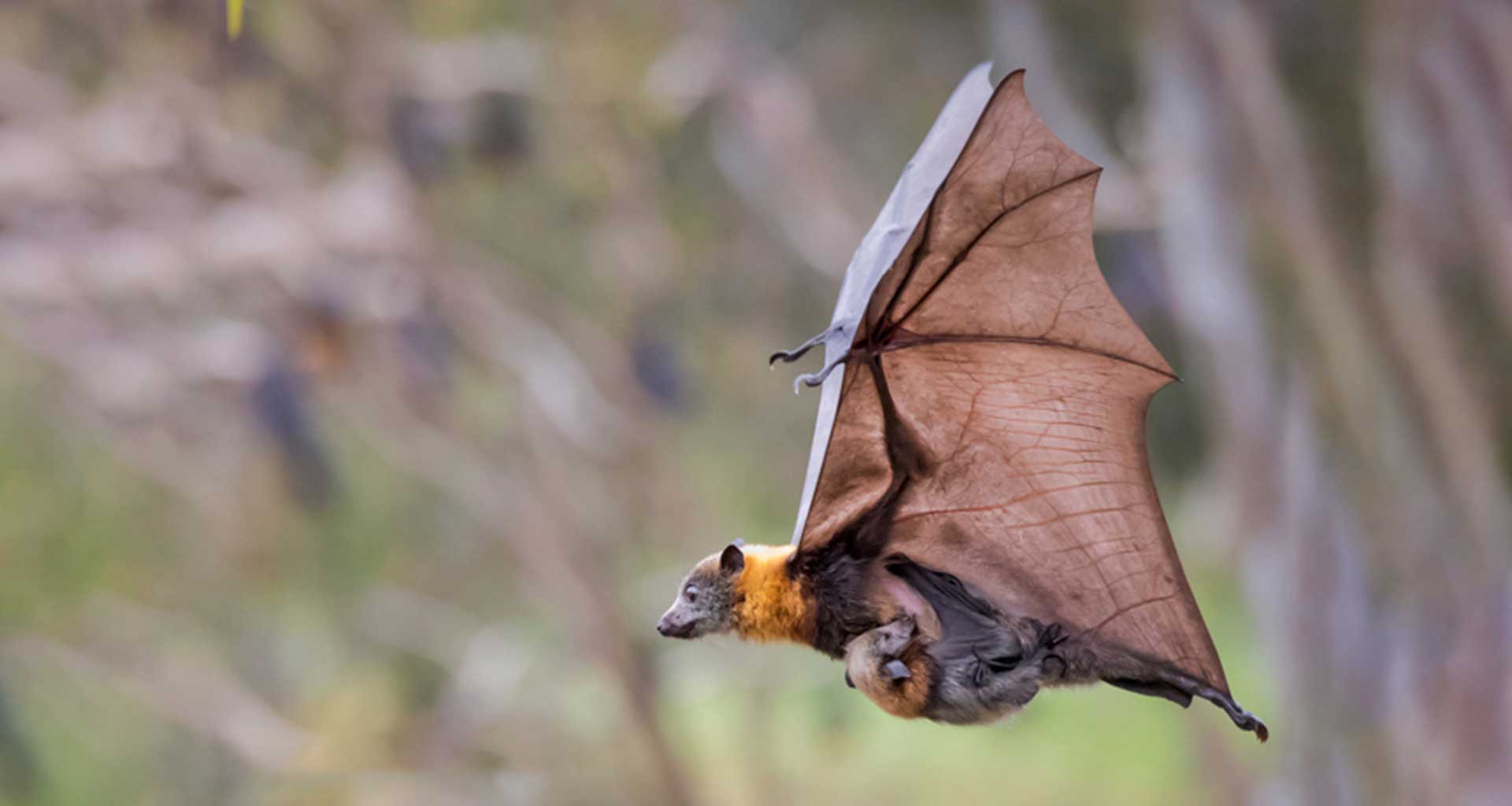
But how did a dog get access to a bat, in inner city Melbourne? Ringtail possums and rainbow lorikeets may be the first thing that comes to mind when you mention Melbourne wildlife, but our city is also fortunate enough to be the habitat for multiple bat species, including the grey-headed flying-fox, a species endemic to Australia, and our largest bat species. They’ve been recorded in Melbourne as early as 1884, growing to a colony of up to 30,000 in summer, which initially roosted in the Royal Botanical Gardens. Due to damage to the heritage listed trees in the gardens, a massive three year long project was initiated to move the colony elsewhere. The Yarra Bend Park became their new home, and they remain there to this day.
Bats, along with all Australian wildlife, are at significantly higher risk of fatality from dogs and cats, than dogs and cats are from bats. ABLV is present in less than 1% of bats, and needs to be transmitted by an affected bat to cause symptoms. In comparison, cats have been reported to kill 323 million native animals a year. The prevalence of the bat population has a direct impact on the environment. Bats, as natural long distance pollinators, are essential in the spreading of seeds, dispersing to native forests and encouraging growth in the ecosystem. Additionally, they manage the population balance of insects, as insectivores.
On top of this, their numbers have been declining due to habitat loss. Although they roost next to the river, to keep cool and access drinking water, days of extreme heat in Melbourne can cause significant casualties. With the recent 40 degree days, there have been unfortunate losses in the hundreds. Because of this, you may spot a flying fox on the ground. If you or your pet comes into contact with a bat, we recommend seeking medical advice.
Although Yarra Bend Park is a beautiful trail for us and our furry friends to visit, it is primarily an important habitat for wildlife. It’s essential to respect the colony so everyone, human and animal, can enjoy the beauty of the bend: keep quiet around roosting bats, keep your pets on leads, and never handle injured or deceased flying-foxes. You can contact Wildlife Victoria for professional advice on 03 8400 7300 if you have concerns about a flying fox.
References:
Australian Bat Society, Author: Rodney van der Ree. abs_flying_foxes_in_melb_web.pdf
Wildlife Health Australia Bat Health Focus Group Janine Barrett Bat Stats June 2025
The impact of roaming pet cats on Australian wildlife Pet-cat-impacts-June-2023.pdf
Why Bats are Important Why bats are important – Bat Conservation and Rescue QLD Inc