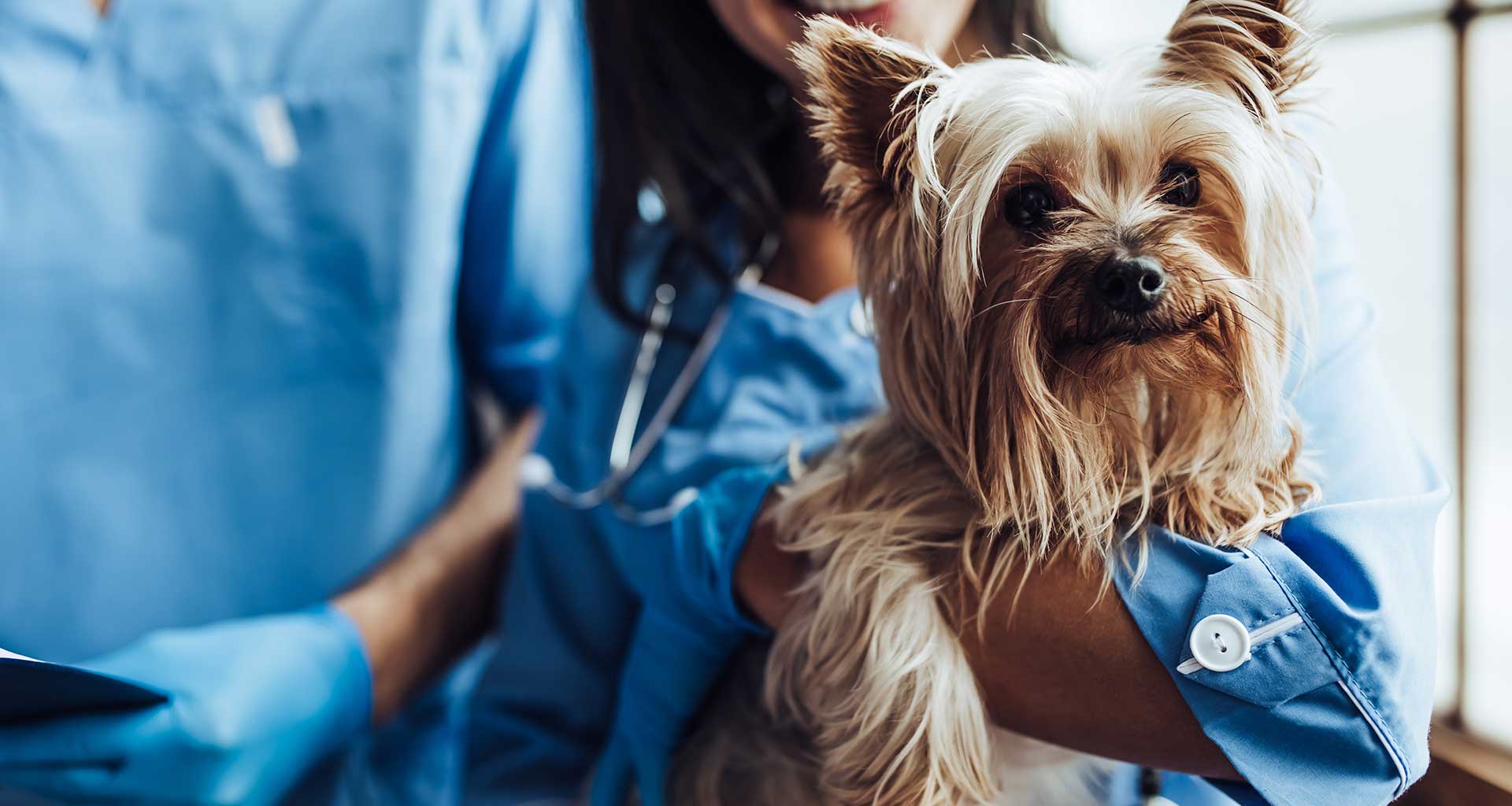
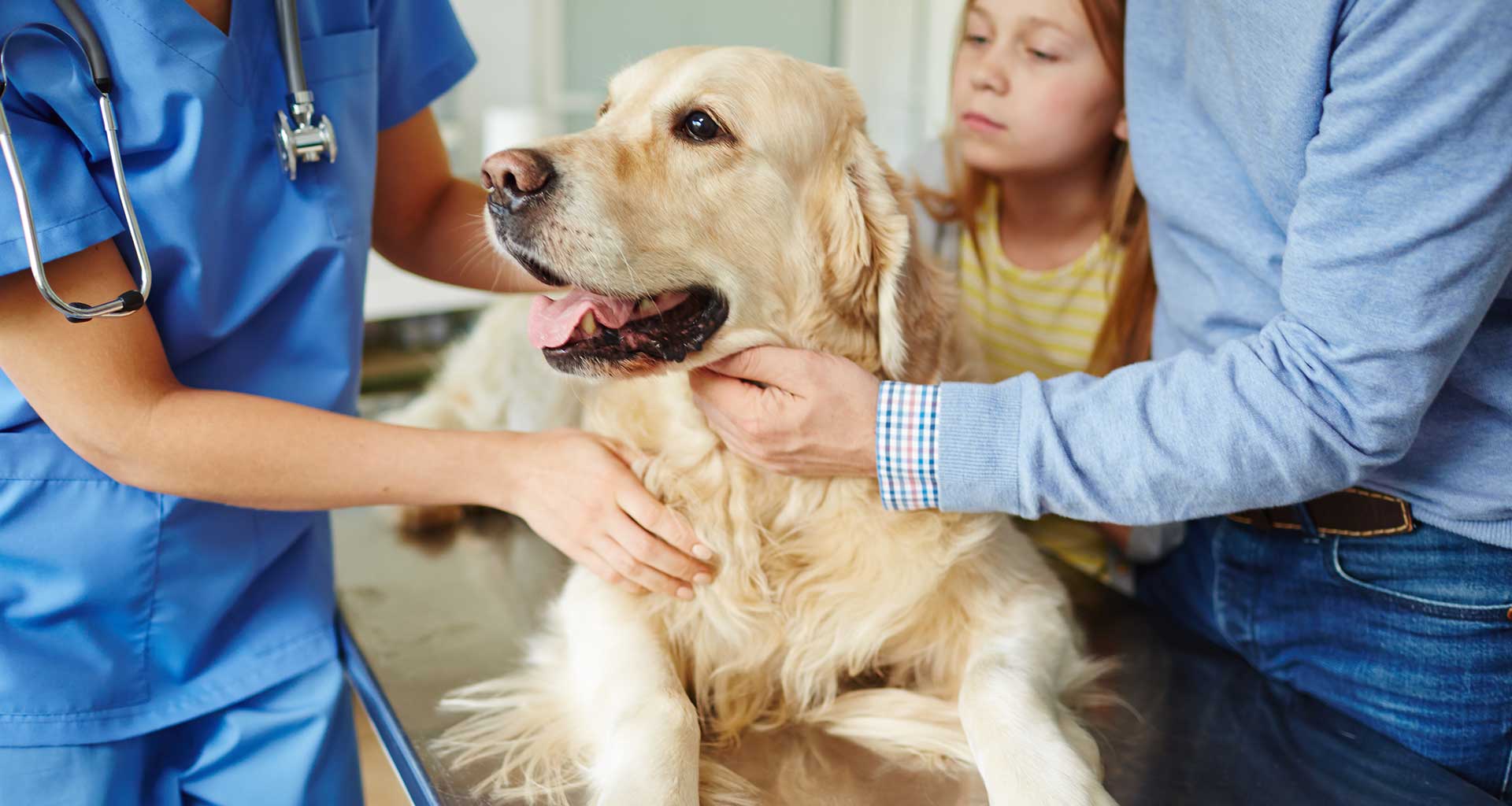
Just like their human family our pets need regular dental care both at home and in clinic to keep their teeth clean, healthy and strong.
Here at Brunswick Central Vet Clinic our veterinarians and veterinary nurses that have a wealth dental knowledge and shared goal of ensuring the pets we provide care for live their lives free of dental disease.
What is periodontal disease?
According to study, 85% of dogs and cats have gum disease by the age of three years old. The most noticeable symptom of gum disease is bad breath, but other warning signs include appetite loss, red or inflamed gums, teeth that are yellowing or loose.
It is important to be aware that many pets show no obvious signs of dental disease and most will continue to eat, drink and behave normally despite significant disease and pain from problem teeth. For this reason regular dental checks from a young age are essential so that our veterinary team can detect and treat emerging dental disease.
Periodontal disease progresses through four primary phases, from modest gingivitis (gum inflammation) or small plaque build up to severe gingivitis to moderate or serious gum recession (periodontitis), which can lead to tooth loss or even damage to bone tissue. Intervention at the earlier stages is vital to avoid to disease progression and tooth loss.
Dental check-ups
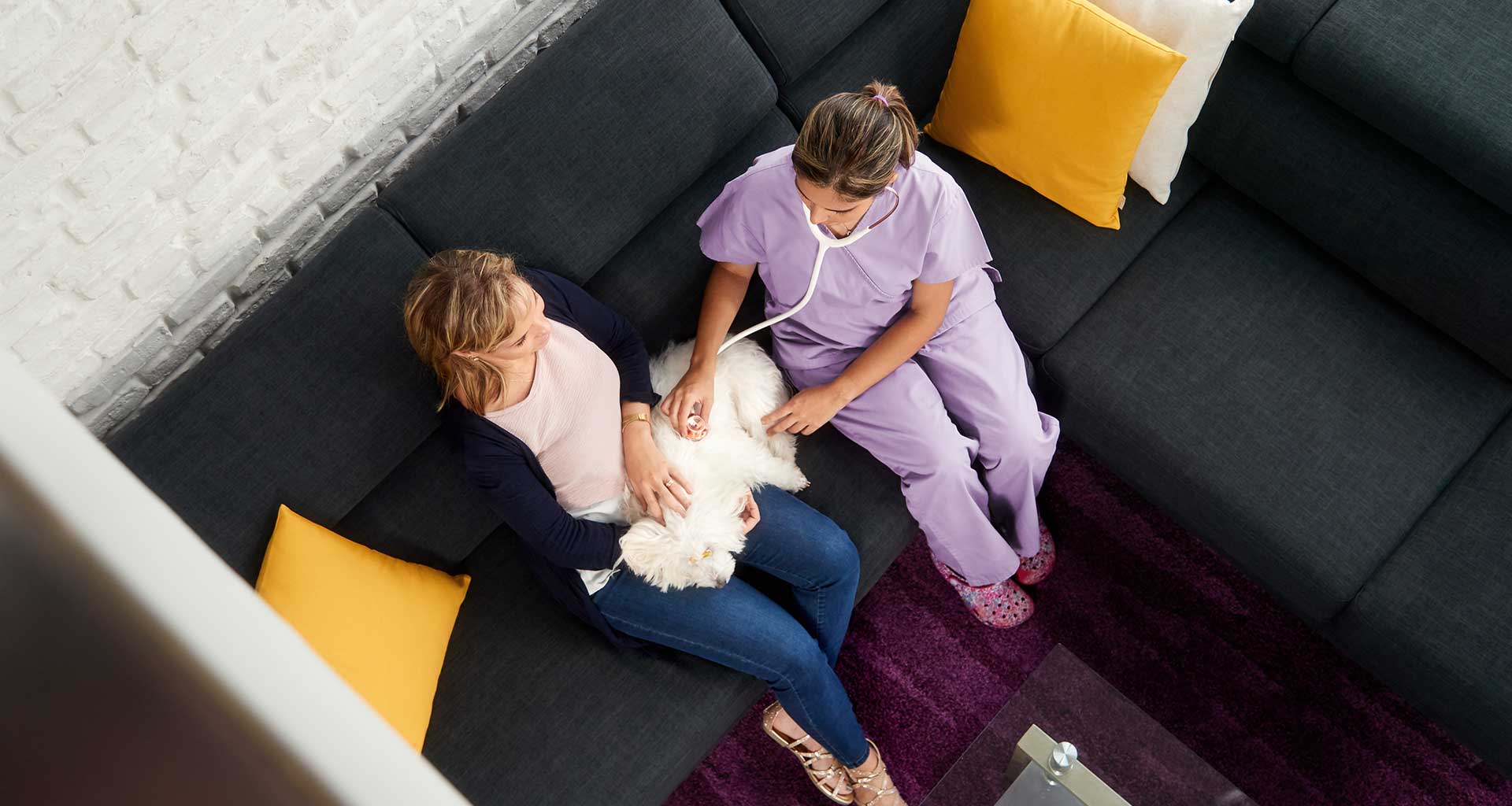
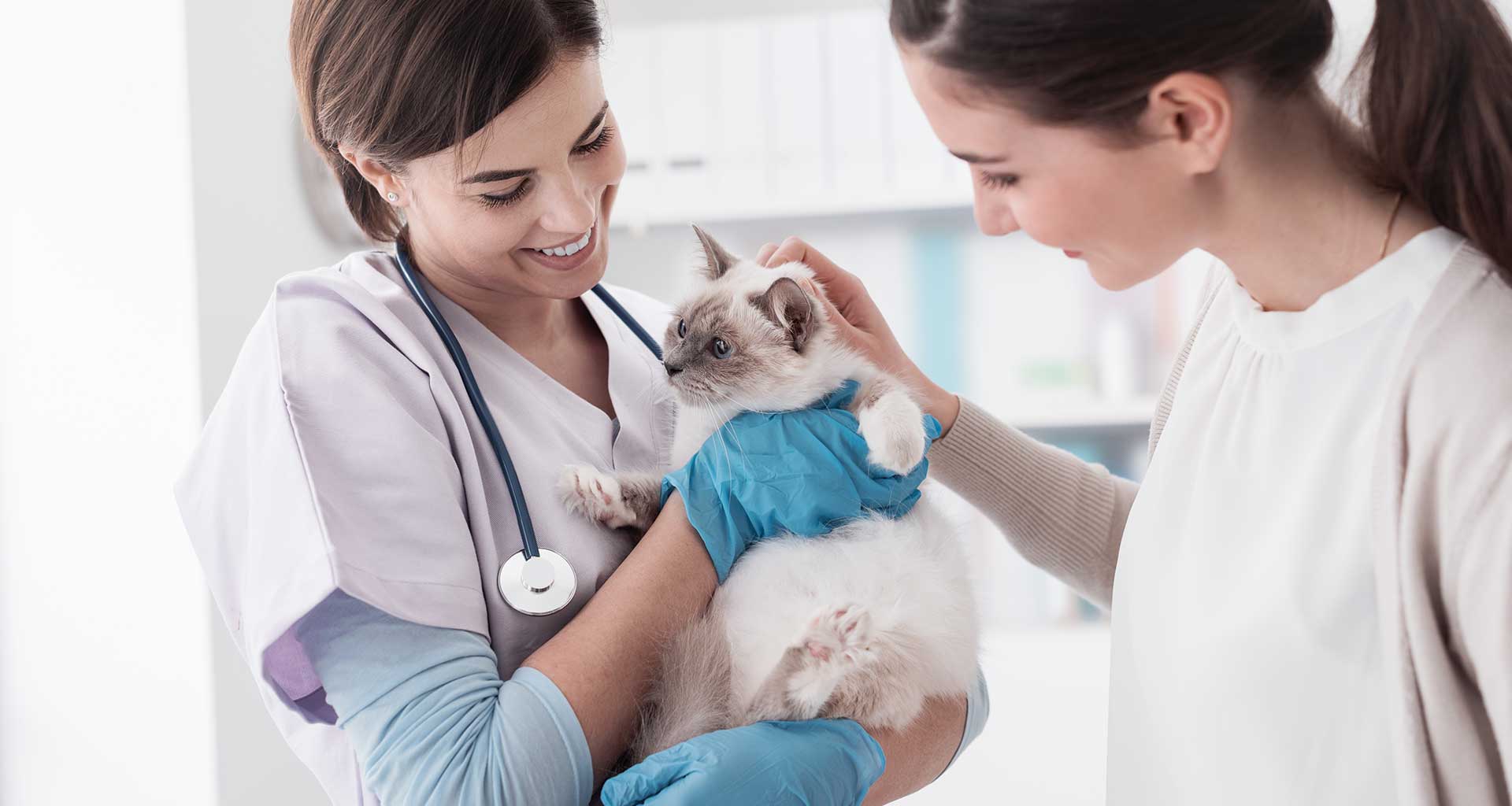
To assess whether your pet has periodontal disease we recommend animals come in for 6 monthly dental checks with any of our experienced vets or nurses to evaluate their teeth and gums to assess signs of periodontal disease. All pets are allowed unlimited free dental checks with veterinary nurses. During the check we will create a plan with you to ensure your pet’s dental health is cared for effectively through at home prevention or a dental cleaning procedure done in our clinic.
Preventing periodontal disease?
There are multiple different options to help prevent periodontal disease in your pet which you can choose from:
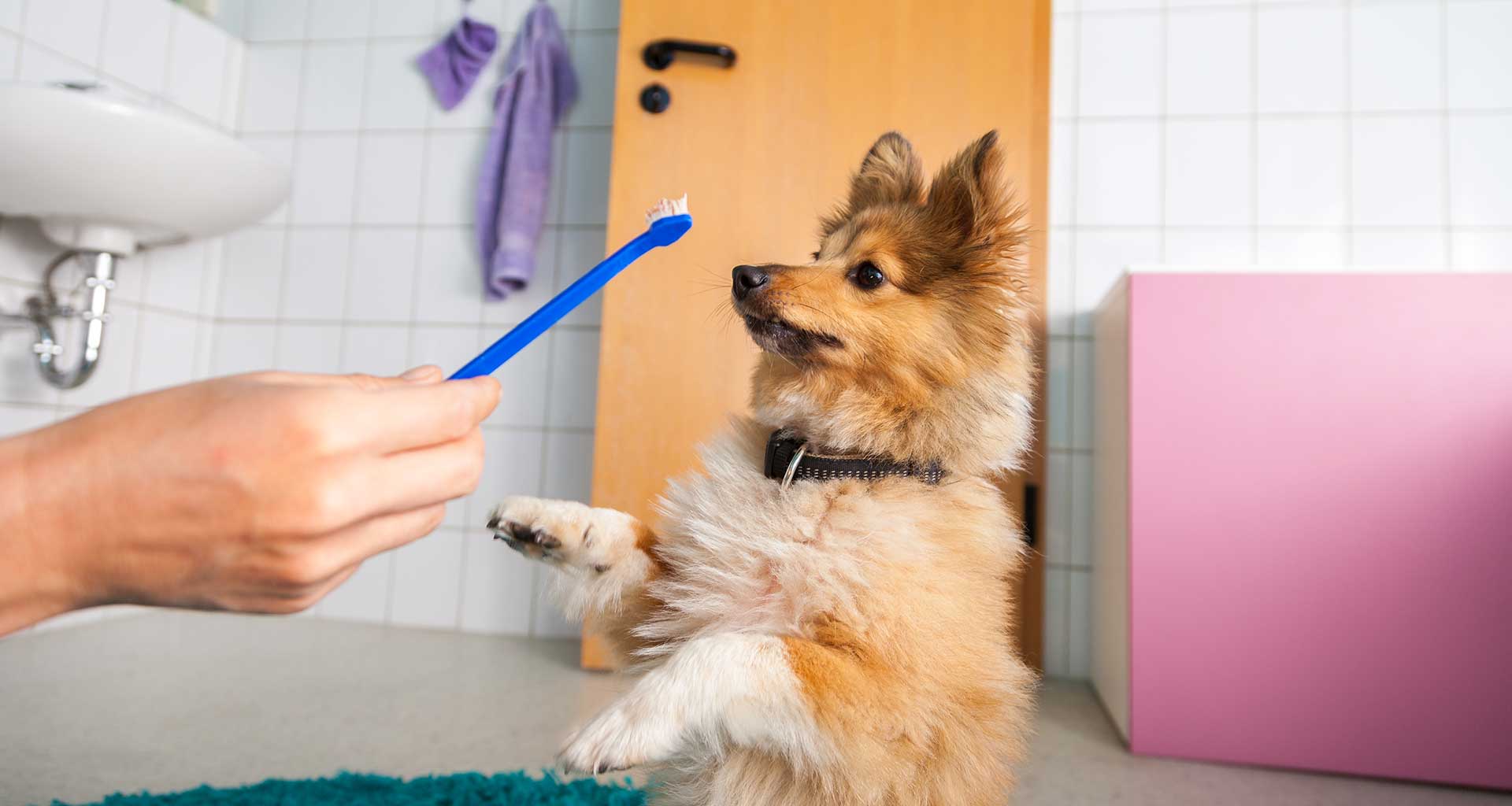
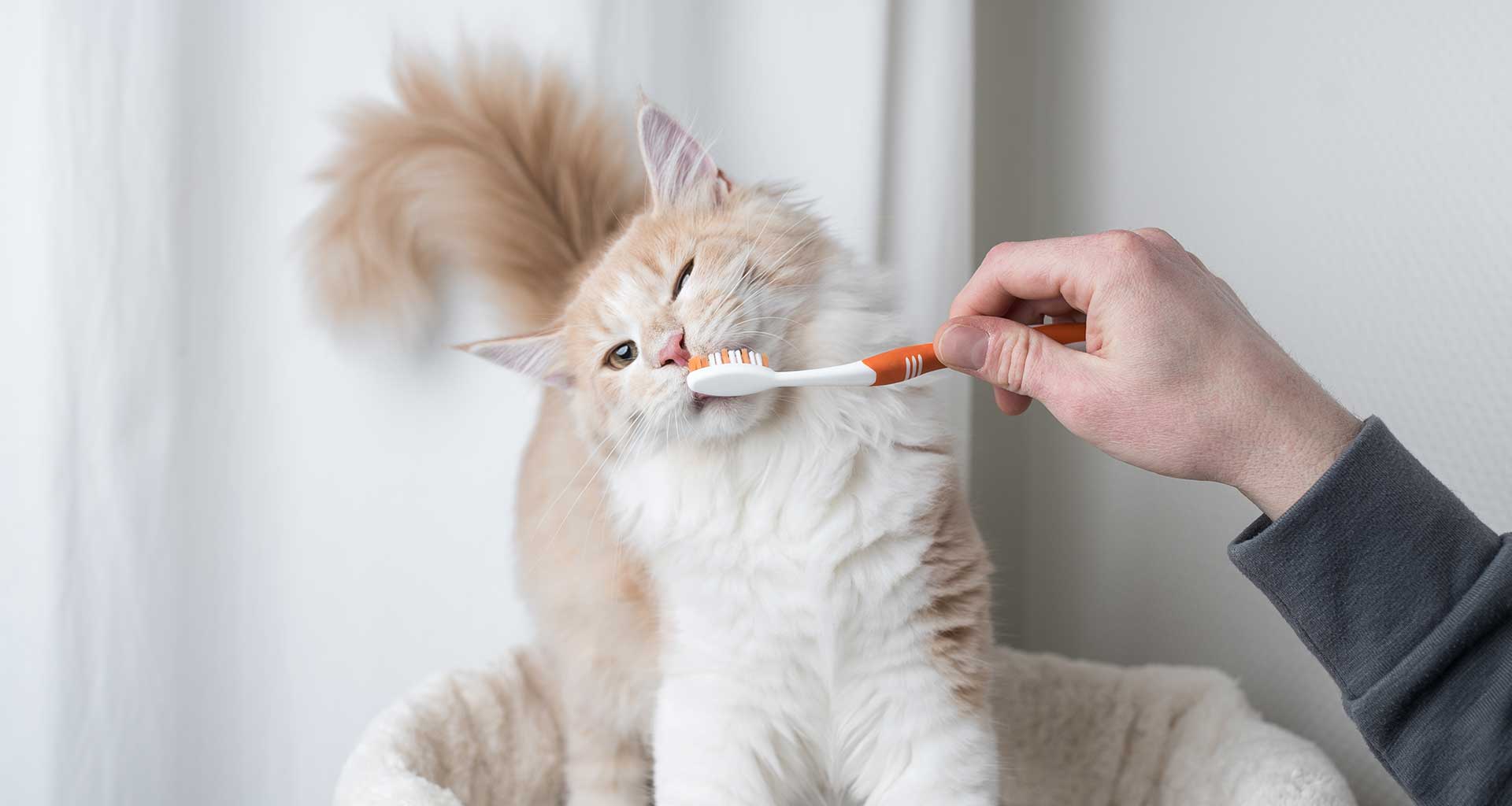
- Toothbrushes and pet toothpastes, toothbrushing should be ideally performed daily
- Prescription dental diets that aid in cleaning the teeth eg Hill’s T/D or Royal Canin
- Dental wipes, gels and water additives
- Dental treats
There are many dental products on the market. To help ensure you are using an effective product we recommend using pet specific dental products that carry the Veterinary Oral Health Council accepted logo. This shows a product is clinical shown to reduce plaque and tartar. Please note due to the risk of serious gut and tooth injury including fracture we do NOT recommend that cooked, smoked or raw bones or hard items such as antlers are given to pets.
Dental hygiene measures should be done at home regularly. Simply make an appointment with us and we can discuss which option may work best for you and your pet at home.
Dental cleaning and staging
No matter how thorough you are with homecare a prophylactic dental procedure in the form of a scale and polish will likely be needed at some stage in your pet’s life. For dentistry to be done safely and properly all pets undergoing dentistry require general anesthesia. Our team are highly skilled in anaesthesia and tailor our care to meet each pet’s individual needs to deliver the safest and smoothest procedure possible.
At Brunswick Central Vet:
For our dental procedures, we now perform staged treatments which is considered best practice. As dental disease also involves the roots of the teeth it is impossible to perform a full dental assessment in a conscious pet. This is where staging comes in. By performing dentistry across two stages we can perform a comprehensive assessment of your pet’s oral health and inform you of your pet’s required treatment before proceeding with any dental extractions. This keeps you fully aware of your pets’ needs and also ensures we are performing any oral surgery in a freshly cleaned mouth, free of nasty tartar. In general two shorter anesthetics are considered safer than one very long anesthetic.
These staged procedures are,
- Stage 1: Includes x-rays, full dental assessment, scaling, and polishing. At Brunswick Central Vet all pets undergoing dentistry have full series of dental x-rays performed as standard. Many pets will only require a stage 1 procedure and home dental hygiene.
- Stage 2: This stage is for dental surgery should your pet require extractions due to advanced periodontal disease, resorption (FORLS) or traumatic tooth injuries. A stage 2 dental should be done 1-2 weeks after the first procedure to ensure dental x-rays are current and the mouth is still nicely clean.
Both stages are booked together, and Stage 2 is cancelled if not needed. We’ll provide estimates for both Stage 1 and Stage 2 up front and adjust the Stage 2 estimate after Stage 1 to reflect your pet’s specific needs. The Best for Pet wellness program provides a dental discount to help with the cost of the stage 1 procedure.
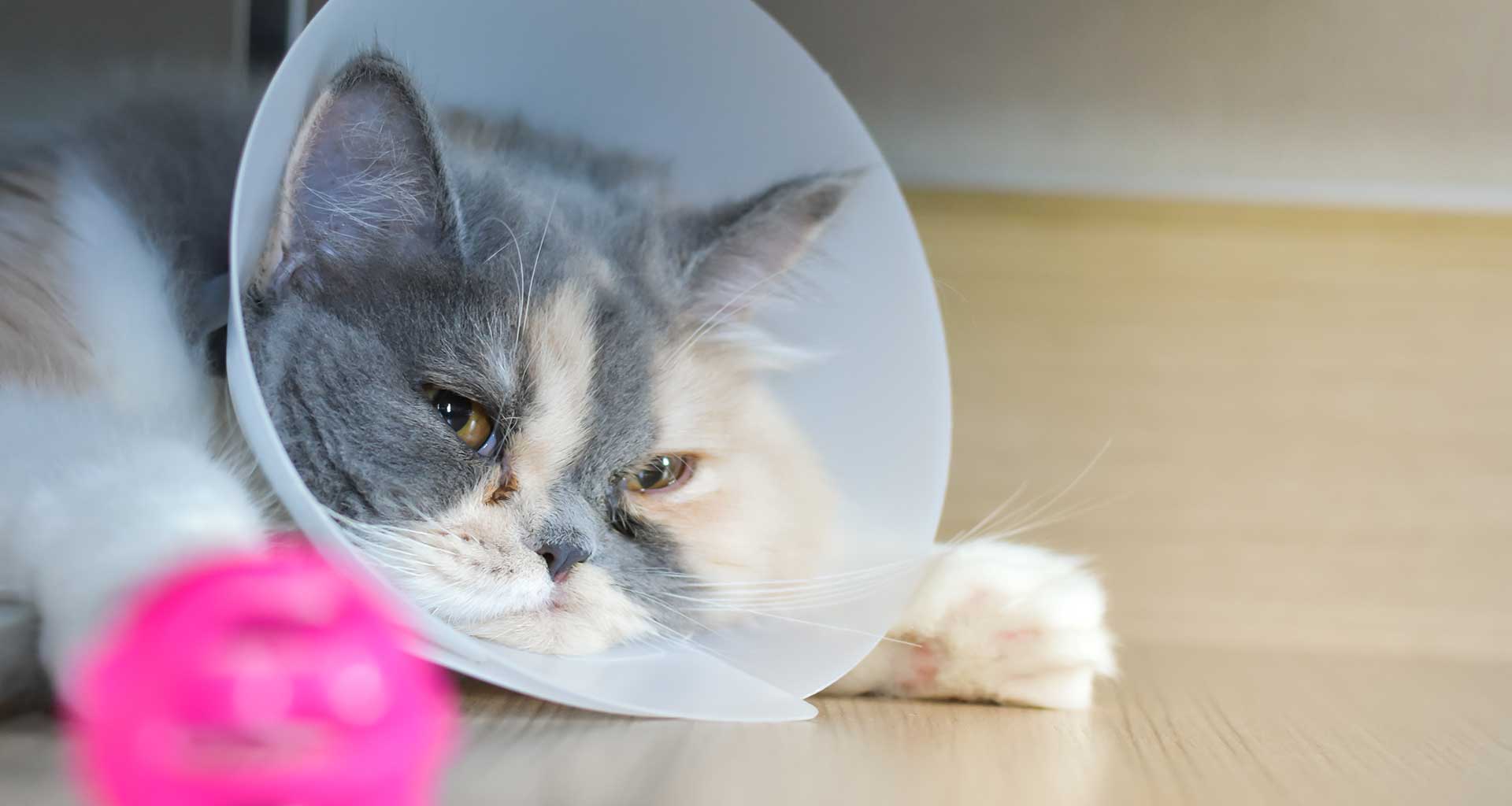
Dental procedures are done under general anesthetic as a day stay. Pets are usually admitted between 8-9am and go home later that day once they have recovered.